Regulated sectors

Labelling where error isn't an option.

If you export from Spain, every market asks for its own official language and its own rulebook. Four regulated sectors, one method: what changes between them is what the checklist looks for, not how the master file is built.

01
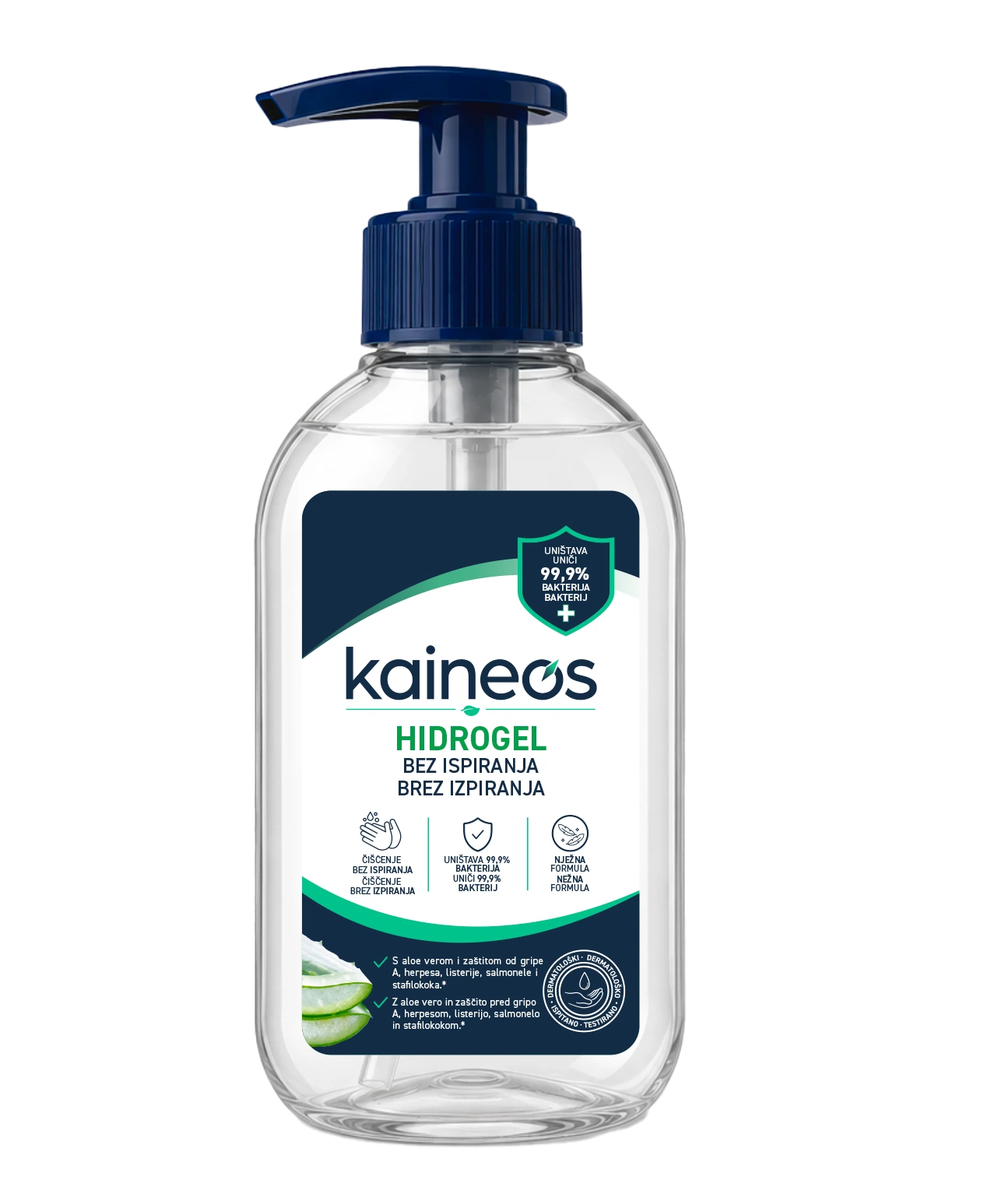
Hidrogel desinfectante Kaineos con etiquetado regulatorio multidioma

Health & pharma

Leaflet, carton and label on the QRD template in each market's language, braille to EN 15823 and a legible pharmacode. Every EU market asks for its official language and its registration mock-up, and the artwork has to come out identical in all of them.

EMAMDRQRDBraille

Usually enters through S/02: multilingual artwork adaptation.
02
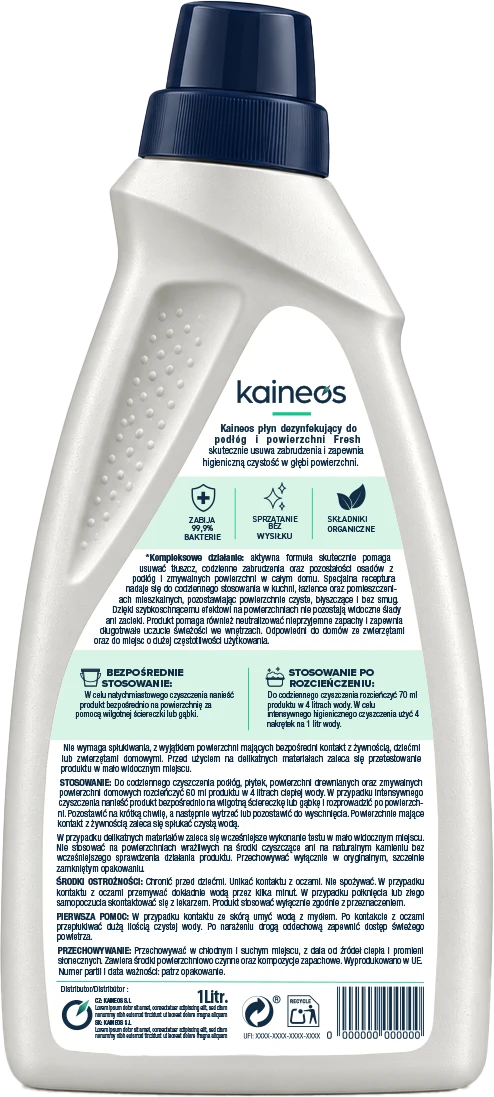
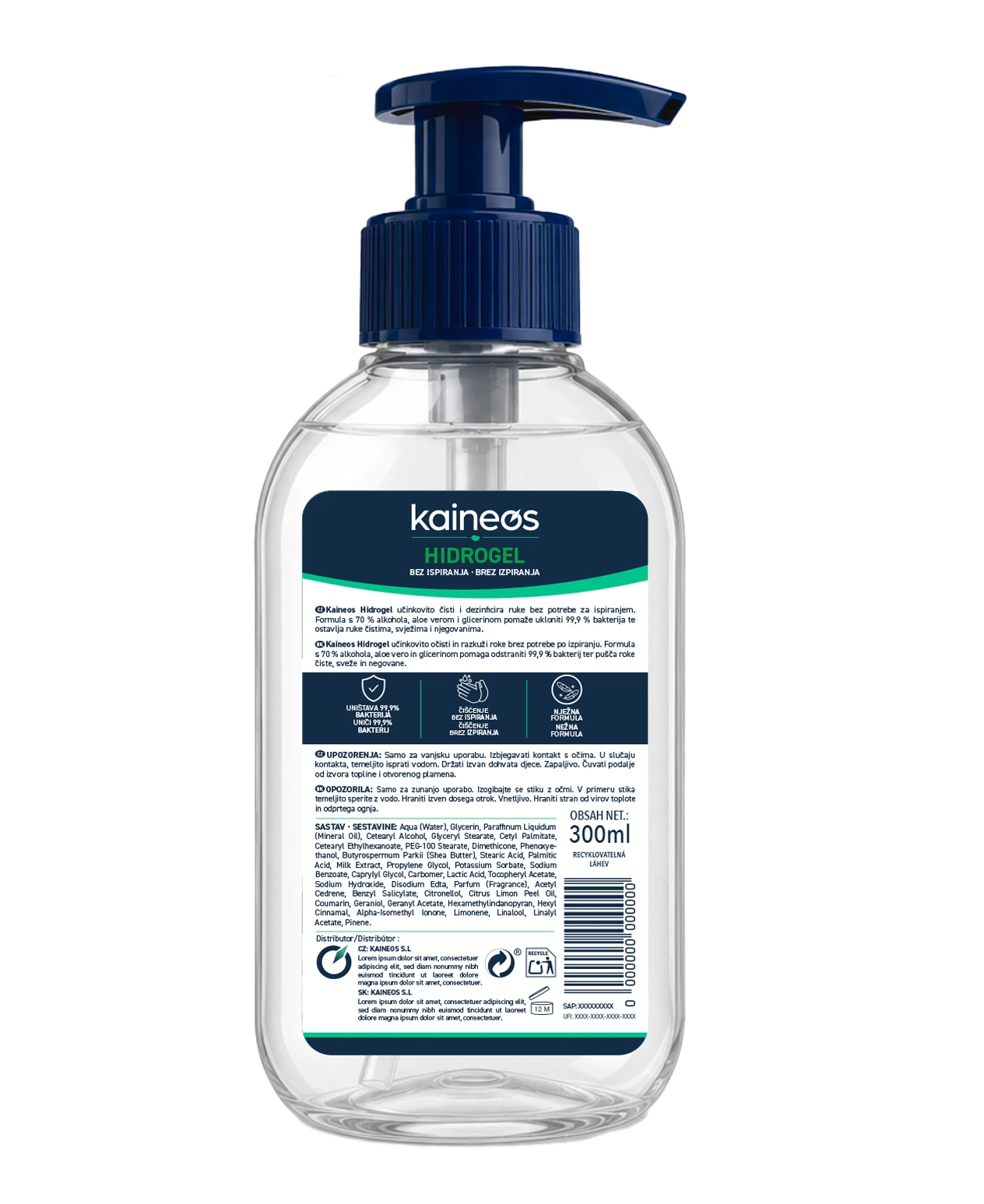
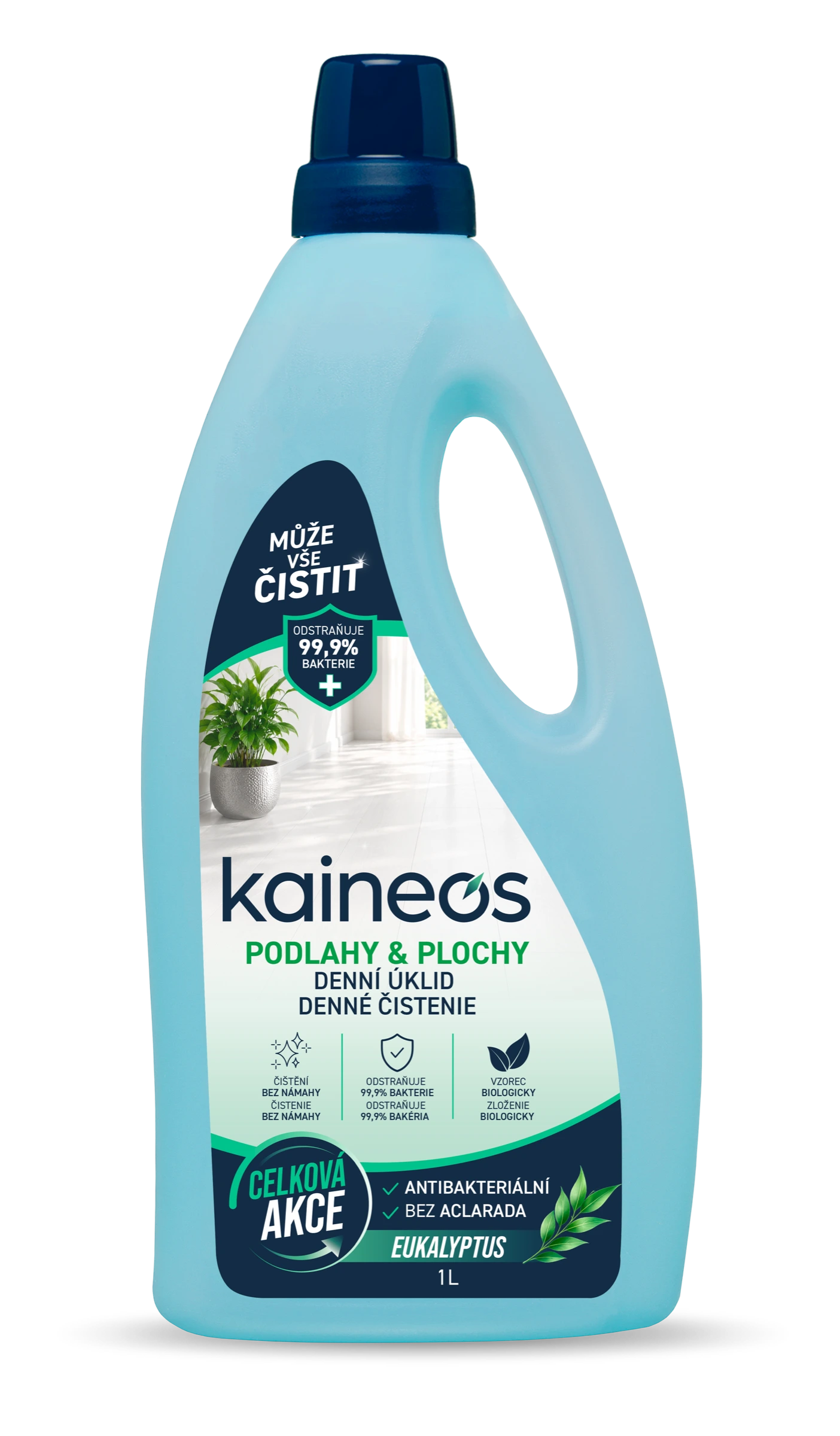
Limpiador de suelos Kaineos con etiquetado CLP/GHS y pictogramas multidioma

Chemical & industrial

CLP and GHS labelling on a label that does not grow. H and P statements have official wording per language and take up what they take up: the work is fitting them in N languages without dropping below the legal minimum type size or eating into the die-line safety area.

CLPGHSREACHADR

Usually enters through S/03: change management when a new CLP ATP lands.

03
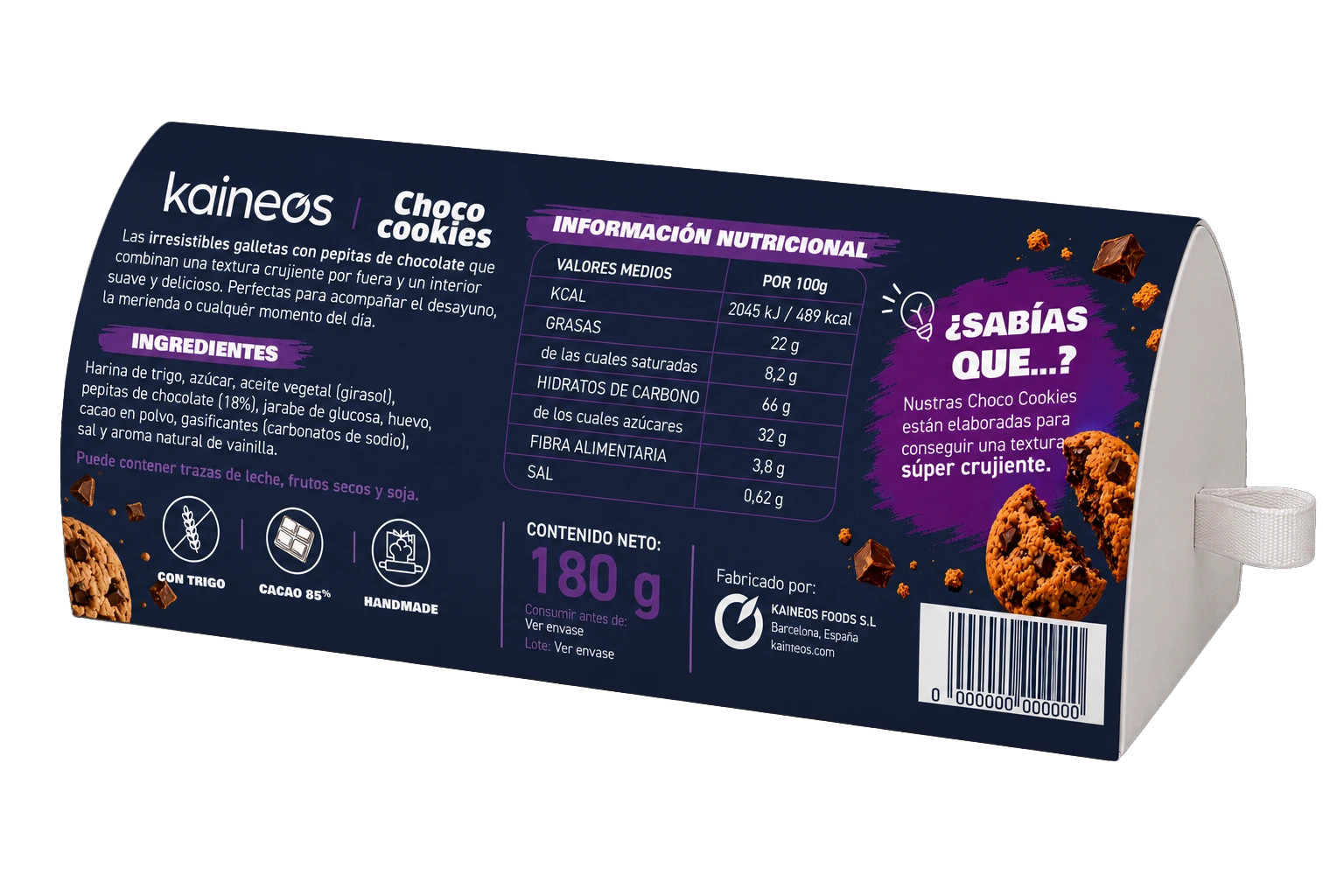
Pack de galletas Choco Cookies de Kaineos con información nutricional y alérgenos

Food

Food labelling under FIC: allergens emphasised, nutrition table, legal sales name and the official language of the destination country. Claims change from market to market, and the legal sales name is not translated: it is replaced with the local one.

FICAllergensClaimsOrganic

Usually enters through S/04: variant production by format and channel.

04
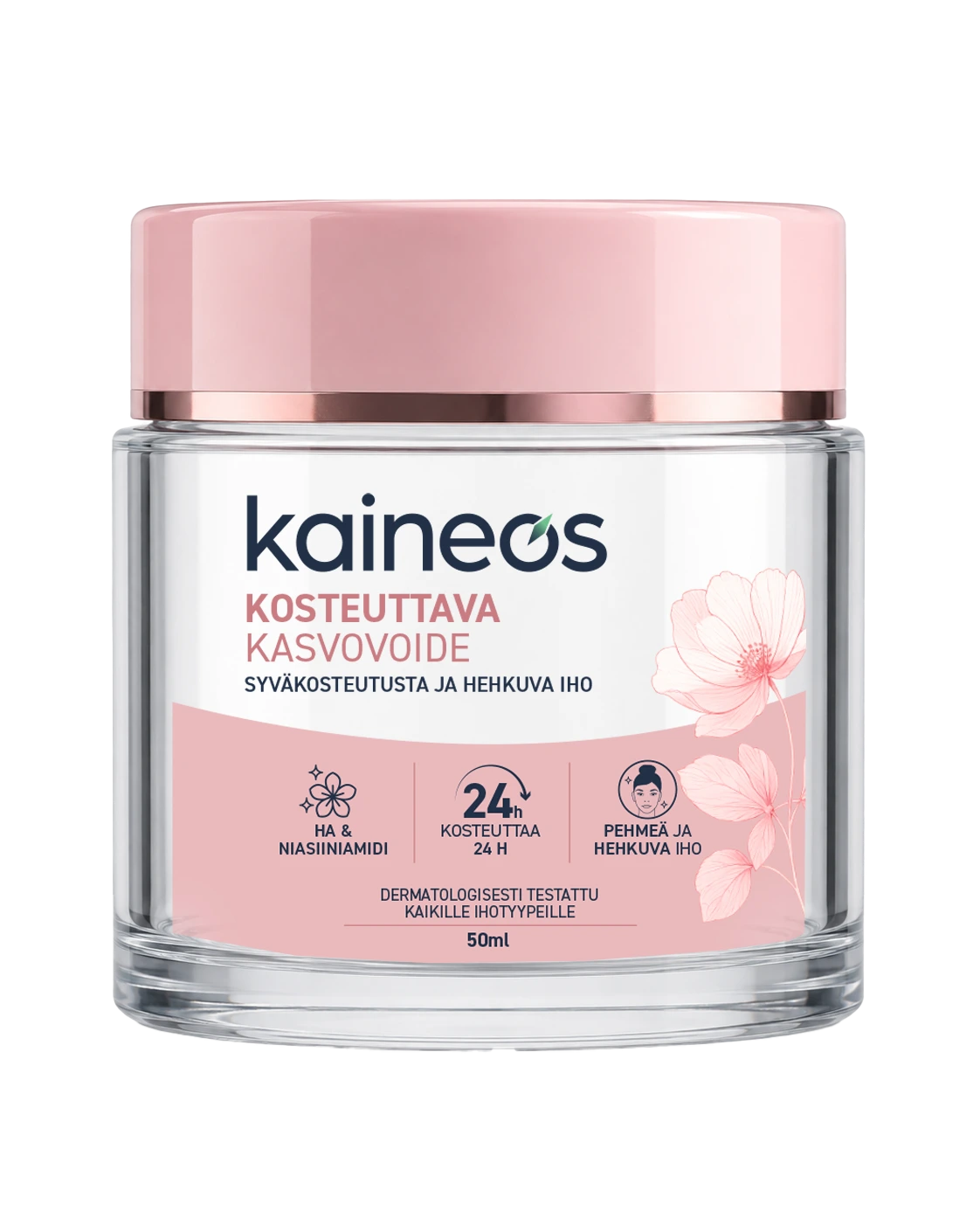
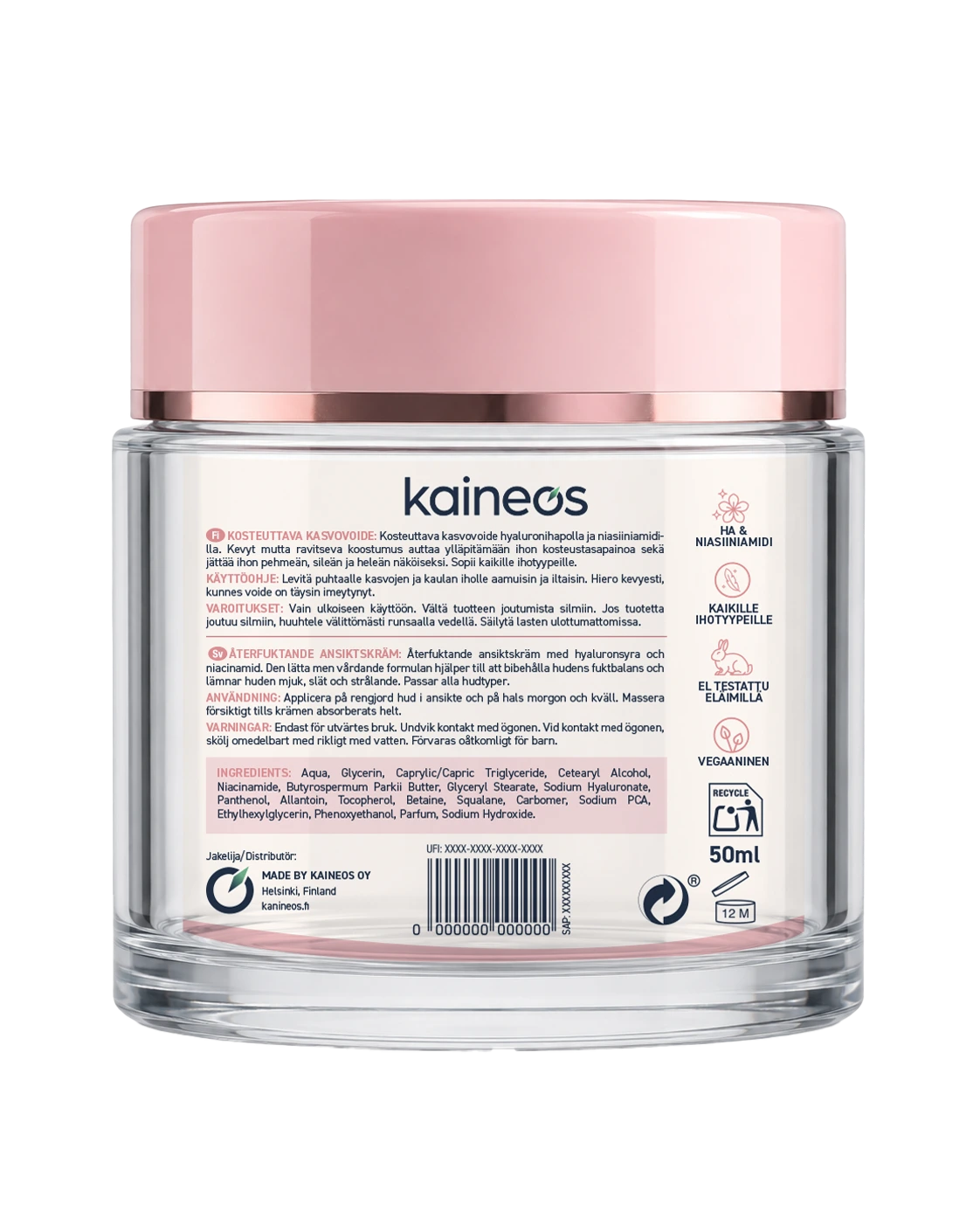
Crema facial hidratante Kaineos con etiquetado INCI multidioma

Beauty & care

INCI in official nomenclature, which is never translated in any market, PAO, product function in each country's language, and the fragrance allergens made declarable by Reg. (EU) 2023/1545. A whole line launching at once, and every version with the same face.

INCI1223/2009PAOClaims
Regulatory framework

What the artwork has to comply with, sector by sector.

Health & pharma

  • EMA / Reg. (EC) 726/2004
    Leaflet, label, outer carton — QRD template.
  • MDR 2017/745
    Medical devices: UDI, SSCP, CE marking.
  • EN 15823
    Braille on pharmaceutical packaging — validated legibility.
  • Reg. (EU) 2025/40 (PPWR)
    Packaging and packaging waste: harmonised marking from 2028.

Chemical & industrial

  • Reg. (EC) 1272/2008 (CLP)
    Classification, labelling and packaging. Revised in 2024 and 2025.
  • GHS
    Globally Harmonized System — pictograms, H/P statements.
  • REACH
    Registration, evaluation, authorisation of chemical substances.
  • ADR
    Land transport of dangerous goods — specific labelling.

Food

  • Reg. (EU) 1169/2011 (FIC)
    Food information to consumers. Allergens in bold.
  • Reg. (EC) 1924/2006
    Nutrition and health claims.
  • Reg. (EU) 2018/848
    Organic production and labelling.
  • Nutri-Score
    Voluntary, and different depending on the market.

Beauty & care

  • Reg. (EC) 1223/2009
    Cosmetic products: composition, labelling, INCI.
  • Reg. (EU) 2023/1545
    Fragrance allergens: from 26 to 81 declarable.
  • Reg. (EU) 655/2013
    Common criteria for cosmetic claims.
  • CPNP notification
    EU pre-market registration.

That is the EU framework. Outside the EU the requirements change and so does the mandatory language: we also handle FDA, UK Responsible Person and whatever local format the market requires. Tell us which markets you are going into and we will tell you what the artwork needs.

By sector

Specific questions for yours.

Every member state may require the mandatory information to appear in one or more official EU languages, and nearly all of them do. The Commission publishes no single official country-by-country table. The working rule is the official language of the country of sale, with cases that break it: Finland requires Finnish and Swedish on prepacked food, in Belgium it is the language of the region where the product is placed on the market, and in Ireland English is enough. We keep it country by country, with the article that imposes it and the date it was checked, in our regulatory briefings.

Yes. Braille to EN 15823, with dot height and legibility validated, never overlapping text or varnish areas. Pharmacode and, where it applies, the DataMatrix unique identifier under Delegated Regulation (EU) 2016/161 for medicines, or the MDR UDI for medical devices, with contrast and quiet zone verified against the official generator. Plus the full set registration asks for: leaflet, carton and label on the QRD template in each market's language, with the mock-up in the format the agency requires.

By shrinking what can be shrunk, which is not the text. H and P statements have official wording per language and are never rewritten: what you work on is the grid, the type size (never below the legal minimum for that pack volume), the die-line safety area and, where it still does not fit, the label format or a fold-out booklet. We keep pictograms and statements per language up to date, and when a new CLP ATP is published we run impact on your references.

Yes. FIC (Reg. EU 1169/2011) as the base: allergens emphasised, nutrition table, legal sales name and the official language of the destination country. Claims follow Reg. 1924/2006 and change from market to market. And the legal sales name is not translated: it is replaced by the one that country has established. Outside the EU we also handle FDA Nutrition Facts and whatever local format the market requires.

Yes. Reg. (EC) 1223/2009: INCI listing in official nomenclature, which is never translated in any market, product function and warnings in each country's language, PAO and nominal content. Claims follow Reg. (EU) 655/2013. The extended list of declarable fragrance allergens under Reg. (EU) 2023/1545 forces a rebuild of the ingredient list on almost any line, which is exactly the kind of change that gets propagated from the master file. Outside the EU, the UK and China each ask for their own.

Your sector, your challenge?

Tell us which regulation is blocking you.

We work to our own method per sector: adaptation, validation and delivery.